
Identity Is the New ProtocolYour AI already knows what to do. It just needs to know you.
We turn who you are into structured context. Not a profile you fill out once—a signal layer that compounds every time you use it.
AI operates on prompts
Every session starts from zero. Context dies when the chat closes.
Identity as infrastructure
Your history, preferences, and boundaries become a portable protocol agents can read.
Agents that remember you
AI doesn't guess. It acts from a stable picture of who you actually are.
The Fragmentation Problem
Your context is scattered
Assessments, resumes, chats, decisions—scattered across tools that don't talk to each other. No single system holds the full picture.
AI keeps forgetting you
Every new tool makes you explain yourself again. Context window fills. Memory dies. You repeat.
Identity shouldn't be rebuilt every time
When agents become the main interface, you'll need a way to represent yourself that persists across all of them.
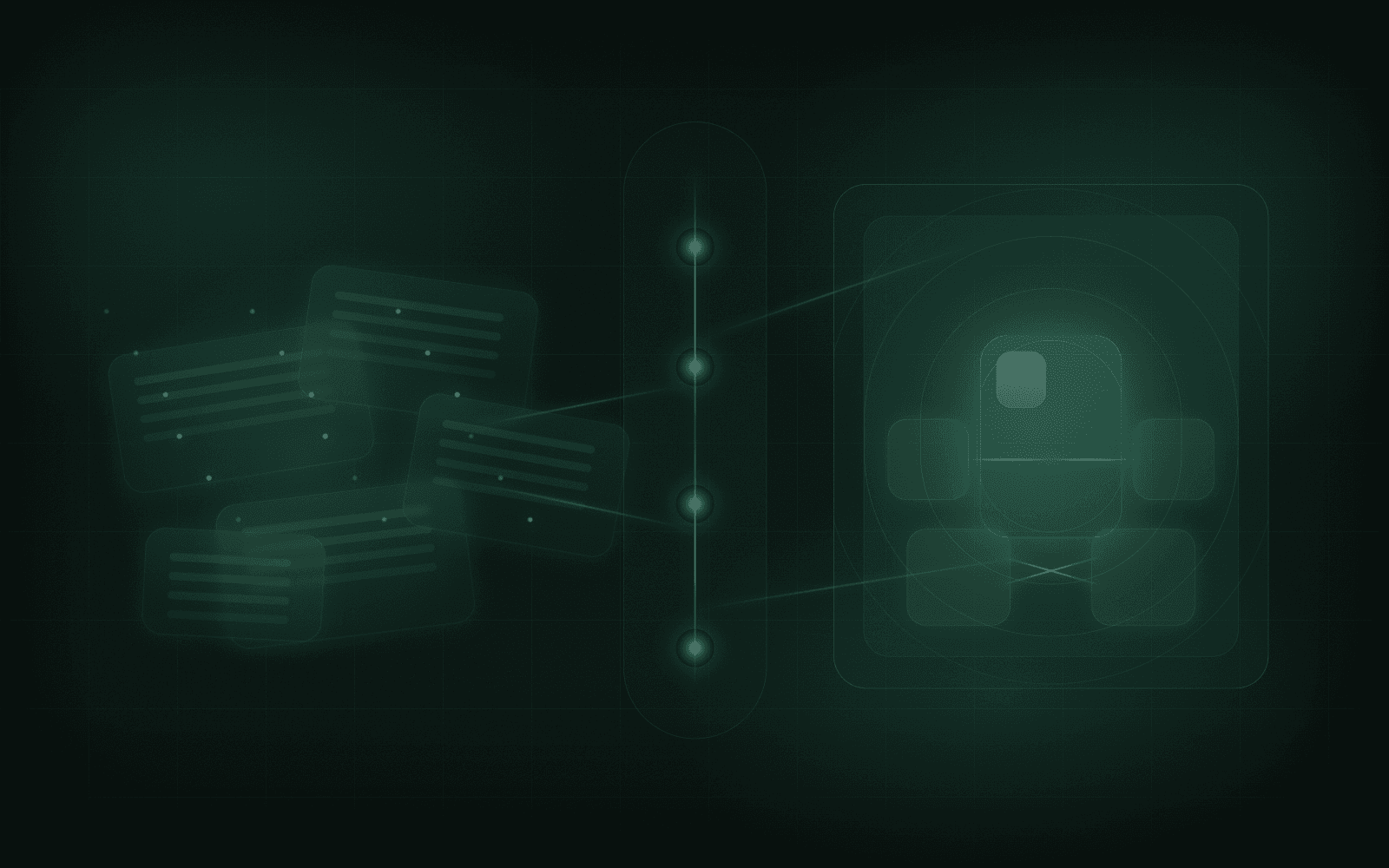
From scattered outputs to persistent identity
Old systems store files. New systems call them. ProfileClaw turns scattered data into a protocol agents keep reading.
Our AnswerMake yourself legible first. Then let AI amplify.
ProfileClaw turns assessments, experience, and preferences into one context layer. You get clearer decisions. Agents get stable signals. Developers get infrastructure they don't have to rebuild.
Structured Human Signals
Complex personhood, compressed into context agents can actually use.
RIASEC Interests
What work actually energizes you—not what you think should.
Two Paths DivergeRent yourself out. Or own who you are.
Some platforms treat humans as APIs for AI to call. We think humans should own the protocol.
AI hires humans
Humans own context
The outcome
Three PrinciplesWhat We Believe
Give every person a long-term data structure they control, can update, and can let AI read safely.
Identity is infrastructure
When agents become the main interface, representing yourself becomes a technical problem. We solve it.
Context compounds
Every signal you add makes future AI calls more precise. Tokens saved. Decisions accelerated.
You control the protocol
Your context layer. Your API key. Your decision who reads it.
Humans first, agents second
AI should amplify human intent, not rent human bodies. We build for the human side of the equation.
Long-term over quick wins
ProfileClaw travels with you across jobs, pivots, and growth arcs. Identity infrastructure doesn't move fast and break things.
You before the platform
Your data is yours. We help you govern it, not monetize it behind your back.
Open over closed
ProfileClaw works with OpenClaw and the wider ecosystem. Your identity shouldn't be trapped.
Three LayersFrom memory at the base to action at the top.
These layers decide whether AI is still guessing or finally working from real understanding.
Data Layer
Intelligence Layer
Action Layer
Data Layer
Unifies assessments, resume, skills, and preferences into one continuously updated profile.
Intelligence Layer
Runs fit scoring, pivot risk, and path recommendations. Every conclusion traces to real signals.
Action Layer
Makes ProfileClaw available to products, agents, and enterprise workflows.
Where We're Headed
Mission
Give every person a long-term data structure they control, can update, and can let AI read safely.
Vision
When agents become the main interface, people will need a new way to represent themselves. We imagine everyone having their own ProfileClaw—as natural as an ID, but closer to who they really are.
Serve individuals and builders first
We start with real consumer use cases, help people build their ProfileClaw, and expose it through APIs.
Become shared infrastructure
Once stable and adopted, ProfileClaw becomes infrastructure for recruiting, matching, and opportunity networks.
Your AI Already Knows What to DoIt just needs to know you.
Build the identity layer first. Then let every agent, tool, and opportunity read from the same source.